01
Neonatal Hyperbilirubinemia
Hemolytic jaundice, rapid bilirubin rise, oxidative stress phenotype, kernicterus prevention, phototherapy optimization.
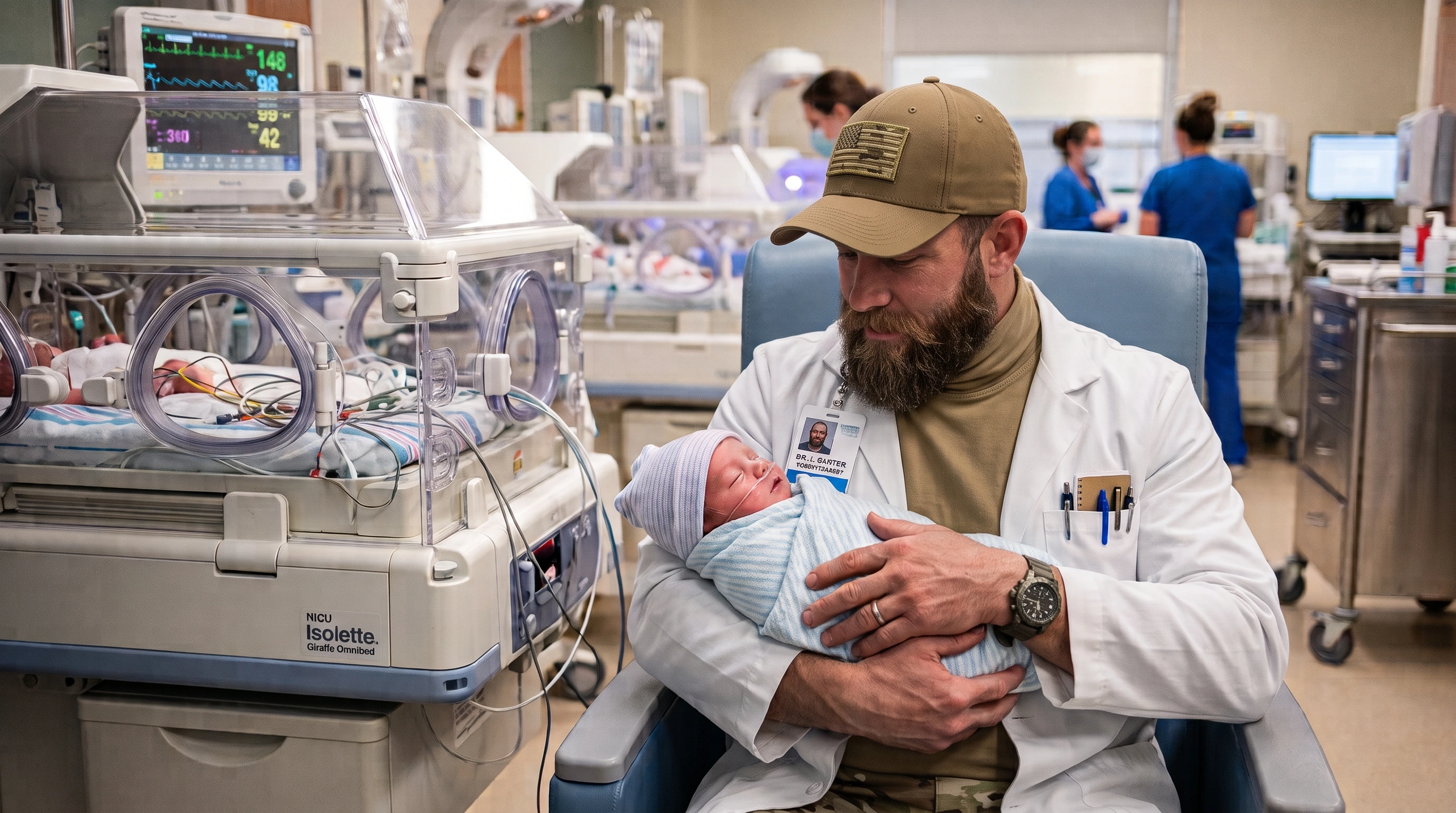
Neonatal intensive care — the first of six populations under outcomes tracking.
A veteran-led clinical outcomes from the NICU incubator through battlefield medicine to veteran care.
Founded on a service-connected commitment to veterans, neonates, mothers, and populations at hemolytic risk worldwide.
OxVet Registry is a veteran-founded clinical outcomes platform dedicated to identifying, validating, and scaling therapeutic interventions that improve patient outcomes across hemolytic crises, transplant optimization, and critical care emergencies.
We work with leading medical institutions, transplant centers, military medical facilities, and international partners to aggregate outcomes data, develop standardized protocols, and navigate regulatory pathways to bring evidence-based care to all populations — from neonatal and maternal medicine to wounded veterans and resource-limited international settings.
Transform institutional clinical innovations into reproducible, scalable outcomes that save lives.
OxVet Registry — statement of purposeEach cohort carries its own oxidative-stress phenotype, its own clock, and its own definition of a good outcome. The registry tracks all six on their own terms.
Hemolytic jaundice, rapid bilirubin rise, oxidative stress phenotype, kernicterus prevention, phototherapy optimization.
Pregnancy and postpartum hemolysis, G6PD overlap, transfusion avoidance, fetal and neonatal outcomes optimization.
Kidney and liver transplant optimization, perioperative hemolysis, graft survival, rejection prevention, encephalopathy prevention.
Rapid hemoglobin decline, oxidative stress emergency, transfusion avoidance, ICU optimization, rapid recovery.
G6PD-malaria overlap, 400M+ at-risk population, severe anemia prevention, mortality reduction, resource-limited settings.
Forward-deployed personnel, malaria-endemic theaters, hemolytic crisis prevention, medevac avoidance, operational readiness.
OxVet does not market outcomes it has not earned. Below are the endpoints under active tracking and the method by which practice becomes evidence.
Cross-reference outcomes data collected across partner institutions and historical records to gain insights that are actionable.
Reproducible protocols developed from aggregated practice, so a result in one unit transfers to the next.
Regulatory pathways mapped to move validated protocols toward broad, evidence-based adoption.
We track outcomes across institutions pioneering care and promote extensions that advance treatment effective protocols.
Zero cost to your institution. We integrate with existing protocols, turning your current practice into outcomes evidence.
Founded on service-connected commitment to advancing care for veterans, neonates, mothers, and international populations at hemolytic risk.
The registry integrates with protocols already in use. There is no cost to a participating institution and no new system to adopt — existing practice becomes the evidence base.
Discuss a partnership →Academic NICUs and neonatal encephalopathy programs contributing outcomes data.
Kidney and liver transplant services tracking perioperative outcomes and graft survival.
Veterans Affairs medical centers and military treatment facilities across acute and deployed care.
Global health bodies and foundations working in malaria-endemic, resource-limited settings.
Tell us about your institution and the population you treat. We read every inquiry ourselves.